Instagram Marketing for Small Business: A Beginner’s Guide
Updated November 4, 2026. This guide replaces several overlapping beginner articles. It focuses on a practical process for a small business, not follower guarantees or a fixed posting formula.
Instagram can help people discover a business, evaluate its work and get in touch. But opening an account and posting often are not business goals by themselves. A useful Instagram plan connects what you publish to a customer question, a clear next action and a way to learn from the response. This guide gives a small team a manageable starting point.
1. Decide what Instagram should do for your business
Choose one primary goal for the next 30–60 days: qualified inquiries, appointments, visits to a product page, or stronger trust before a sales conversation. Record a baseline before making changes. If you sell a service, count conversations that fit your target customer rather than every new follower. If you sell products, look at visits and orders that can be reasonably attributed to your Instagram activity. Brand awareness may matter too, but it needs its own evidence rather than an assumed sales result.
2. Define the customer and the offer
Write down who the account is for, what problem they are trying to solve, and why they should consider your business. A hotel guest, online-shop buyer and consultant’s client need different proof. Collect the questions people ask before buying; those questions are better content prompts than a generic list of trends. If you have several audiences, start with one segment and test a message for it before expanding.
3. Make the profile easy to understand and contact
A visitor should be able to answer three questions quickly: what do you offer, for whom, and what should I do next? Use a recognizable profile image, a concise name and bio, a current link or contact route, and a small set of relevant pinned examples or highlights if those features are available to your account. Check the journey on a phone: does the link open the right page, can someone find prices or request a quote, and does your team respond to messages?
Account features and interface labels change. Consult Meta Business Help for the current setup and access options rather than copying an old screenshot. Keep account ownership and permissions documented; do not share a personal password with a contractor.
4. Build a content mix from real customer questions
Start with a few repeatable content jobs, not a rigid daily quota:
- Explain: show how a product or service works, who it suits and what it costs or how pricing is determined.
- Demonstrate: use an original photo, short video, process walkthrough or permitted customer example.
- Answer objections: address timing, delivery, access, returns, support or common misconceptions.
- Invite action: tell a suitable viewer how to ask a question, book a call or visit the right page.
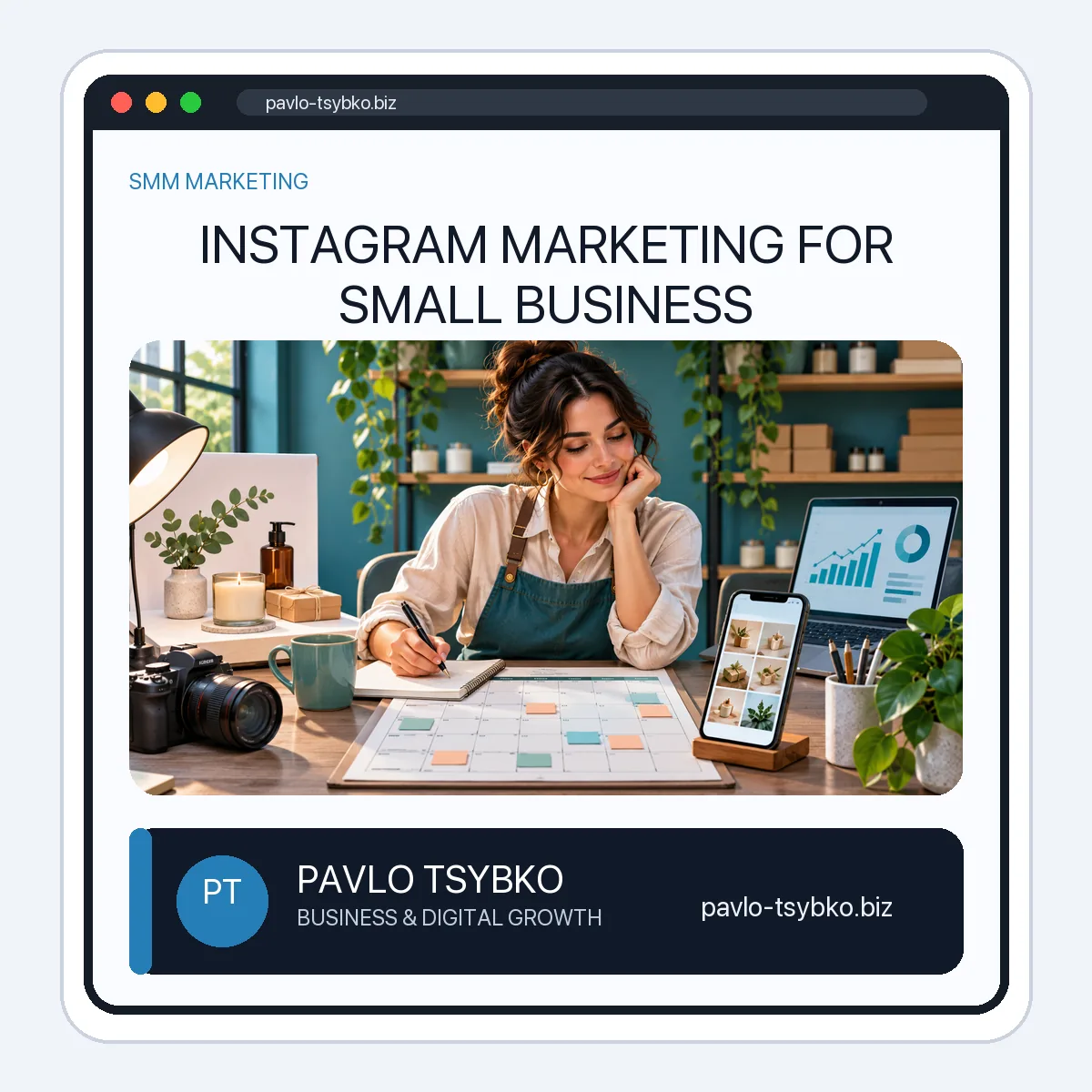
Choose photos, short videos, carousels or Stories based on what explains the subject clearly and what your team can produce well. Do not assume one format or a fixed number of hashtags will guarantee reach. A simple two-week calendar with a topic, format, owner, due date and next action is enough to begin. Reuse useful ideas across formats, but avoid publishing the same generic caption repeatedly.
5. Turn attention into a helpful conversation
Plan who answers comments and direct messages, when they do so, and where a qualified request goes next. Prepare concise responses to recurring questions without making every conversation sound automated. If the post promises a product or service, make the linked page and follow-up consistent with that promise. A polished feed cannot compensate for unanswered inquiries or an unclear offer.
Collaborations can help when the partner serves a relevant audience and both sides understand the deliverables and disclosures. Use opt-in, authentic activity; avoid purchased followers, mass messaging and engagement exchanges. For a deeper process, see our guide to working with influencers.
6. Add paid promotion only after the basics work
Ads can test a specific offer with a defined audience and budget. Before spending, check that the profile, landing page or inquiry process is ready; decide what outcome will count as useful and what would make you pause the test. Separate ad spend from agency fees and creative costs. Our Instagram ads planning guide covers the campaign decision in more detail. Paid reach is an option, not a substitute for a relevant message.
7. Review outcomes and adjust one thing at a time
At the end of each review period, record the topics published, profile visits, meaningful inquiries, website actions and any sales you can reliably connect to the work. Note the limits of attribution: a customer may see several posts before contacting you elsewhere. Compare content by the question it answered and the action it prompted, not only by likes. Keep what helps customers, change one weak point, and run another small test.
A simple first-month plan
- Week 1: define one audience, one offer, one measurable goal and a baseline; fix the profile and contact path.
- Week 2: collect ten customer questions; publish a few original answers in formats your team can sustain.
- Week 3: test a demonstration and a clear invitation to ask or book; respond to every relevant inquiry.
- Week 4: review useful conversations and site actions; improve the offer, response process or content topic before increasing volume or ad spend.
For a broader view of organic, partnership and paid channels, read How to Promote Your Business on Instagram. If you want help implementing a scoped plan, see our Instagram marketing services; if your team will run it internally, consider digital marketing team training. No provider can promise a particular follower count or sales result before understanding your offer, audience and measurement.