
Search Engine Marketing
-

In a competitive online environment, leveraging the power of articles can be crucial for promoting your website and attracting valuable traffic. In this client case study, we’ll explore the challenges of promoting your website with
Read more...No comments -

In today digital age, media writing can be a powerful tool for gaining visibility, building trust, and reaching a wider audience. In this client case study, we’ll explore the intricacies of crafting compelling media articles. From finding
-

In today’s digital landscape, promoting your website is essential to standing out from the competition and attracting a steady stream of visitors. This comprehensive case study explores effective strategies and methods for successful
-
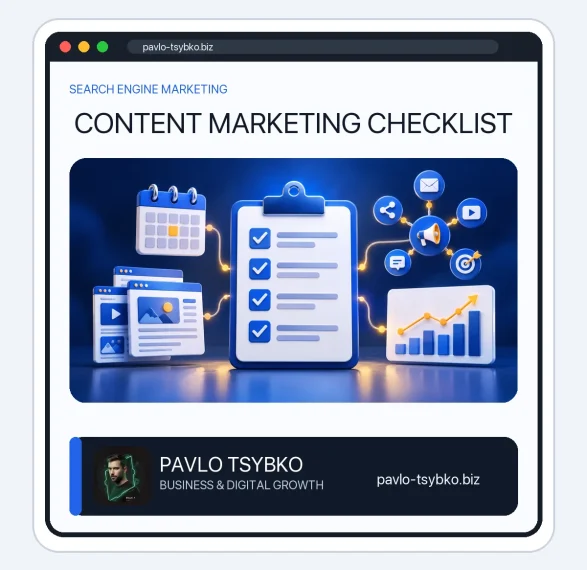
Use this practical eight-step content marketing checklist to plan, create, distribute, measure, and improve useful content for your business.
-

A practical comparison of four online promotion channels for small businesses, with trade-offs and a simple way to choose your first experiment.
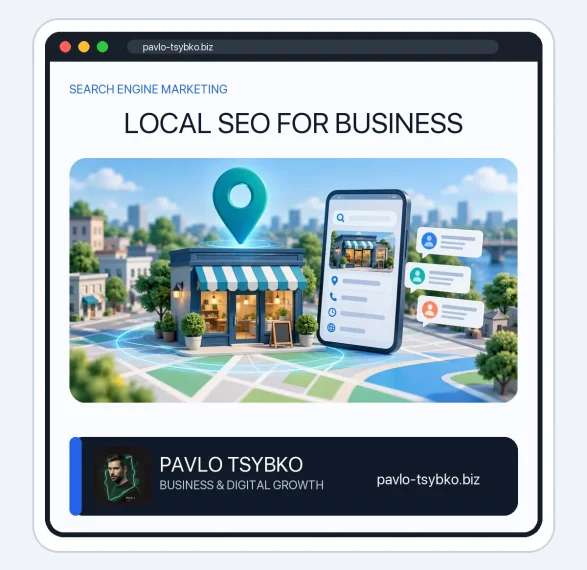
A step-by-step local SEO guide for real small businesses: accurate profiles, useful local pages, genuine reviews and measurable customer outcomes.
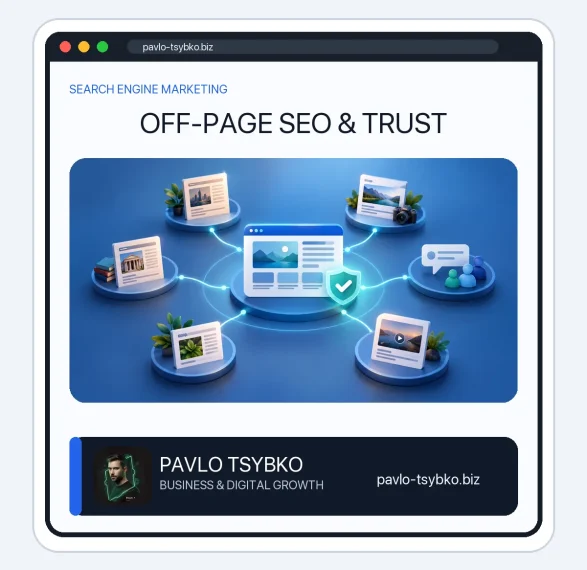
Build visibility and trust beyond your website with a practical off-page SEO checklist, without buying links or chasing vanity metrics.
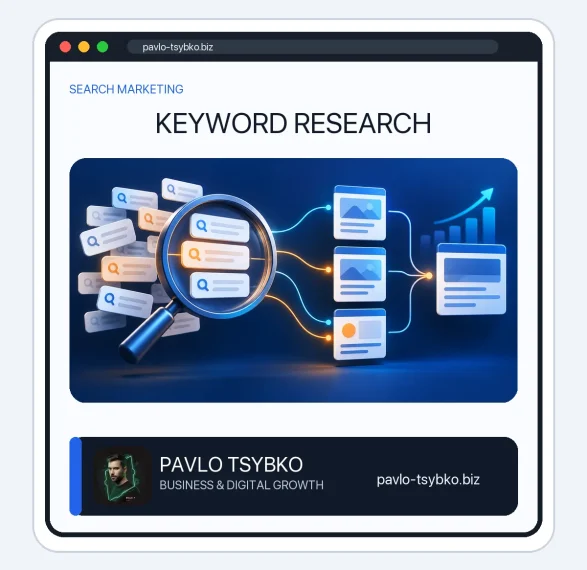
A practical keyword research guide for small businesses: discover customer questions, understand search intent, map topics to pages, and prioritize useful content.
A practical website performance guide for small businesses: measure real page experience, diagnose speed bottlenecks, prioritize fixes, and verify the result.
A practical DIY SEO sequence for small businesses: discoverability, useful pages, internal links, mobile experience, reputation and measurement.
Search Engine Marketing (SEM) is one of the most powerful and controllable digital marketing channels for businesses that want predictable traffic and measurable growth. Unlike organic SEO, SEM focuses on paid search advertising — allowing brands to appear at the top of search results exactly when users are actively looking for solutions.
The main advantage of Search Engine Marketing is intent-based targeting. Users who search on Google already have a problem, question, or purchase intention. Properly structured campaigns allow you to capture this demand and convert it into leads, consultations, or sales.
A professional SEM strategy includes:
• Deep keyword research based on real search intent
• Structured campaign architecture (Search, Display, Remarketing)
• High-converting ad copy aligned with user intent
• Landing page optimization for conversion
• Ongoing analytics and performance optimizationGoogle Ads remains the dominant platform for Search Engine Marketing. Campaign types such as Search Ads, Performance Max, Display Network, and YouTube Ads allow businesses to build full-funnel marketing systems. The key is not just running ads — but building a conversion-focused ecosystem.
Search campaigns work especially well for:
• Legal services and consulting
• B2B lead generation
• Local businesses
• High-ticket services
• Fintech and crypto-related education
• E-commerce and digital productsOne of the biggest mistakes companies make is launching ads without proper tracking and funnel structure. SEM must be data-driven. Every click, conversion, and cost-per-acquisition must be analyzed and optimized continuously.
Effective Search Engine Marketing is not about increasing traffic alone. It is about increasing qualified traffic. The goal is predictable lead generation with scalable ROI.
When integrated into a broader digital system — including social media, retargeting, YouTube, and email funnels — SEM becomes the core acquisition engine of a business.
If your objective is long-term, measurable growth, Search Engine Marketing should be treated as a structured performance system — not as random ad spending.