
Online Business
-

A step-by-step planning guide for a business website: goals, domain, platform, pages, accessibility, security, launch checks and ongoing improvement.
Read more...No comments -

Practical ways to improve the sales path you already have—without buying ads or promising results.
-
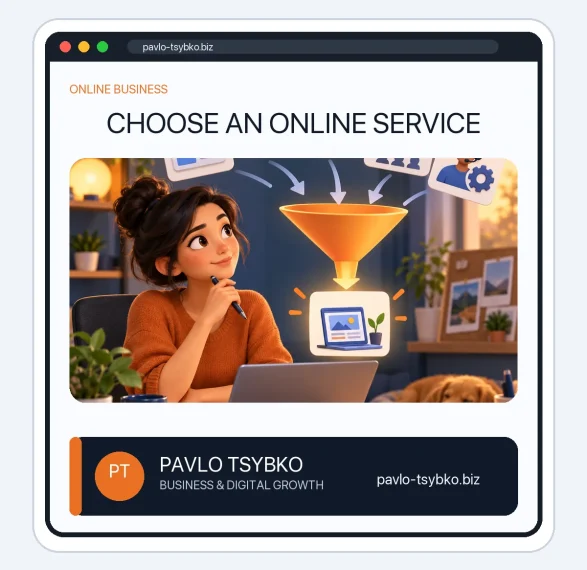
A practical way to choose and test a digital-service business idea, from audience need and skills to delivery costs and a limited pilot.
-

A practical sales-process guide for online and service businesses: find the bottleneck, clarify the offer, handle inquiries and measure what changes.
-
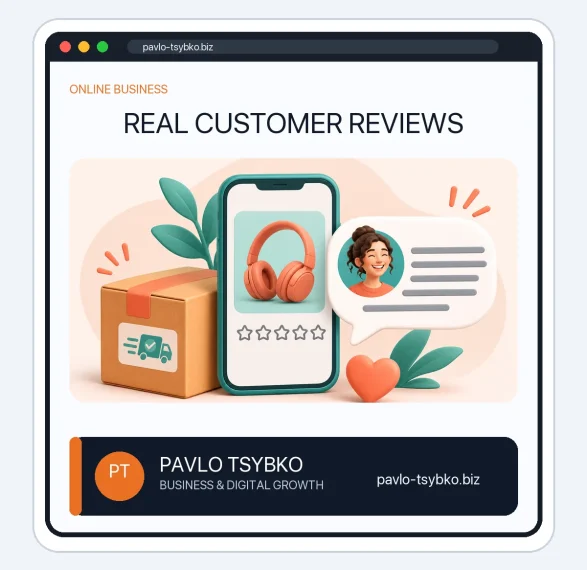
Learn how to ask real buyers for product feedback, display reviews fairly and use criticism to improve your online store.
-

A practical, policy-aware guide to asking real customers for Google reviews, responding to feedback and avoiding paid-review shortcuts.
-

Compare realistic home business models, estimate costs, check local rules and test one small offer before committing money.
-

A practical curriculum for a small team learning to plan, publish and review YouTube videos.
-

Ten digital career paths to explore, with a practical first exercise and a realistic way to check training requirements.
-
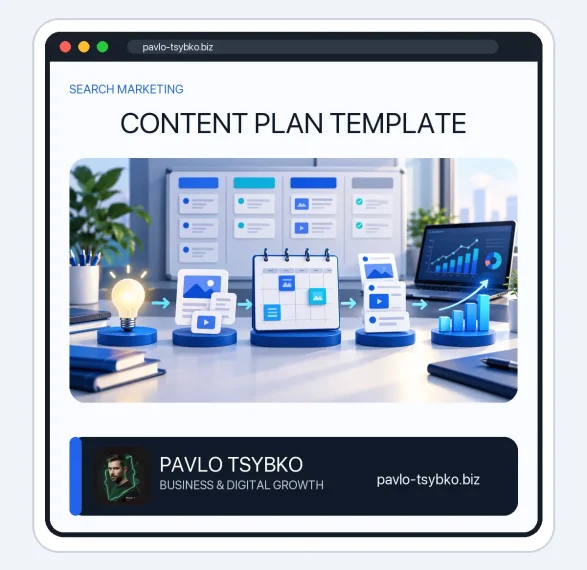
Use this practical content plan template to connect business goals, customer intent, topics, owners, deadlines, distribution and KPIs. Includes a copy-ready example and downloadable CSV.
Online Business is not just about launching a website or creating social media accounts. It is about building a structured digital system that generates traffic, converts attention into revenue, and scales predictably over time.
In today’s digital economy, an online business requires integration of multiple growth channels. SEO drives long-term organic traffic. Paid advertising accelerates visibility. Social media builds authority. Funnels convert visitors into clients. When these elements work together, a sustainable business ecosystem is created.
Online Business focuses on system thinking rather than isolated tactics.
A structured online business model typically includes:
• Clear niche positioning and value proposition
• SEO and content strategy for organic growth
• Paid traffic systems (Google Ads, social platforms)
• Funnel architecture (traffic → engagement → conversion)
• Email marketing and automation
• Analytics and performance tracking
• Monetization strategy (services, products, courses, consulting)
The biggest mistake entrepreneurs make is treating online activity as random experimentation. Posting without structure, running ads without tracking, or building websites without conversion logic leads to unstable results.
A successful online business operates as an integrated digital infrastructure. Every channel supports a defined objective. Every piece of content aligns with positioning. Every campaign has measurable KPIs.
Scalability is another key factor. Online businesses must evolve from single offers into diversified revenue streams. This may include digital products, consulting services, coaching programs, memberships, or automated sales funnels.
Online Business strategy also requires adaptability. Digital platforms constantly change algorithms and advertising policies. Sustainable growth depends on data-driven optimization and continuous system refinement.
When implemented correctly, an online business becomes a predictable acquisition engine rather than a temporary project. It generates consistent traffic, builds authority, and reduces dependency on offline channels.
If your goal is to build scalable digital infrastructure, create structured monetization systems, and achieve long-term sustainable growth, the Online Business category provides the strategic foundation required to turn ideas into measurable online success.