How to Build a Brand on Social Media: A Practical Content Plan
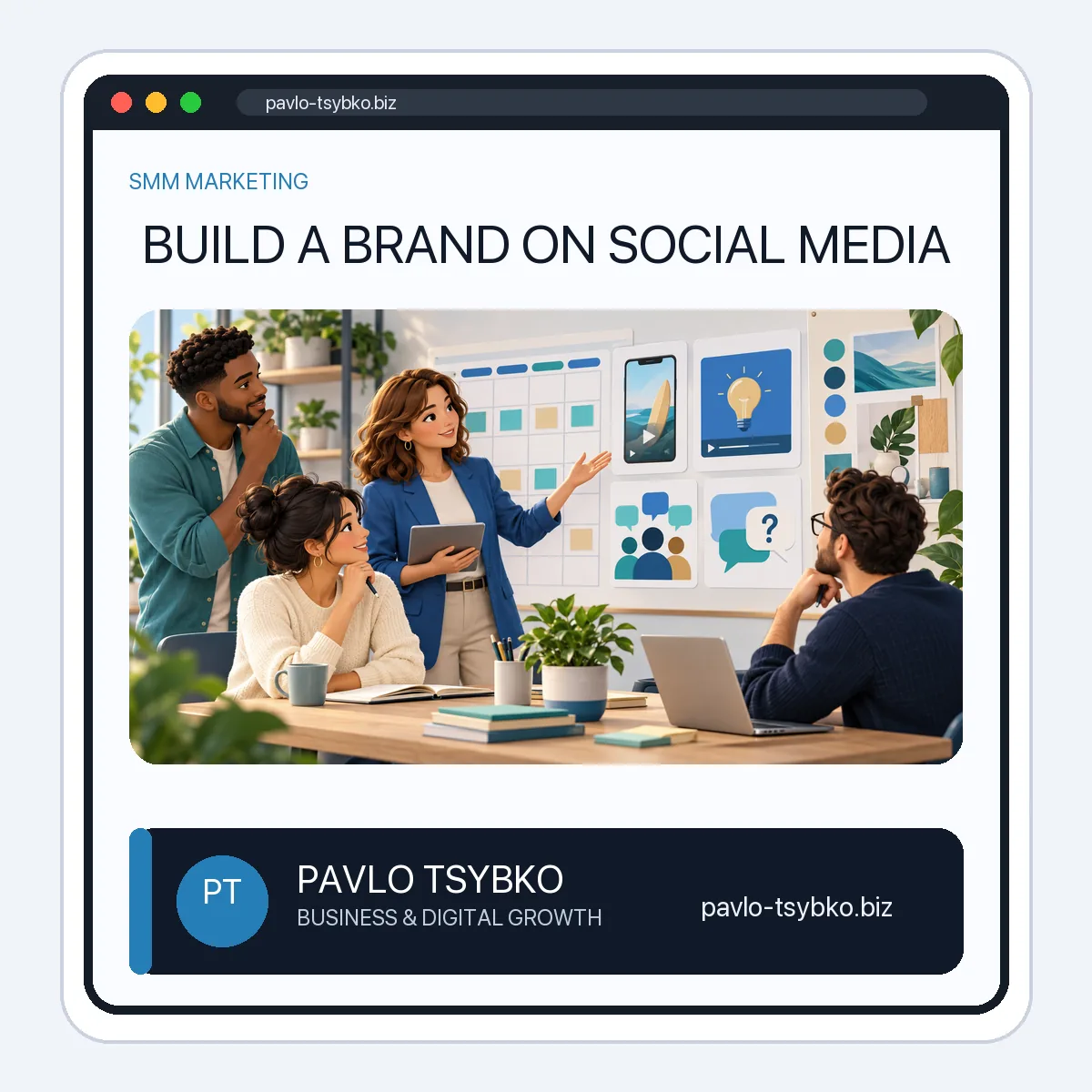
A brand on social media is built through a recognizable promise and repeated useful interactions—not simply by posting every day. This guide shows how a service business can turn customer questions into a manageable content plan, choose formats deliberately and review results without confusing reach with revenue. It replaces an older “case study” on this page. The historical screenshots showed selected platform statistics, but they did not establish client acquisition or prove that the content plan caused the changes; no such outcome is claimed here.
Start with a clear brand promise
Write one sentence that names the audience, the service and the reason someone should trust it. Then define three or four message pillars you can support with real expertise. For a relationship-oriented service, those might be how the process works, safety and privacy, practical questions, and the team behind the service. A generic promise such as “we help everyone find love” is difficult to verify; a clear explanation of eligibility, service steps and support is more useful.
Document the voice: words you use, claims you avoid, visual style, and who approves sensitive material. Keep the same core promise across the website, profiles and direct conversations. Consistency does not mean copying the same asset everywhere; it means a visitor recognizes the same business and understands the same offer.
Choose channels by audience and capacity
Do not open or actively maintain every network by default. Check where the intended audience already asks questions, what format the team can produce well, and who will respond when a message arrives. A visual service may benefit from short demonstrations; a complex service may need explanatory video or written answers. The platform-selection framework provides a fuller comparison. Select one primary channel and one supporting channel for a limited test, rather than spreading a small team across five empty profiles.
Build a content system, not a rigid posting ritual
Collect real questions from consultations, support messages and search queries. Group them by the decision a prospective customer is trying to make. Each post should do one job: explain a step, answer an objection, show how the service works, or invite an appropriate next action. This keeps the content useful even when trends change.
A simple four-week test can look like this:
- Week 1 — explain: publish an introduction to the service, its process and who it is for. Note which questions remain unanswered.
- Week 2 — demonstrate: show a real workflow or team member’s expertise, with permission. Turn one detailed explanation into a short video and a written FAQ.
- Week 3 — reassure: address privacy, pricing, boundaries and common objections honestly. Avoid unverifiable testimonials or invented customer stories.
- Week 4 — refine: update the strongest explanation, stop a format that consumes time without helping, and publish a clear next-step invitation.
This is a planning example, not a claim that four weeks is enough to build a brand. Assign an owner to every draft, a reviewer to factual and privacy-sensitive claims, and a response owner for comments and messages. Batch reusable assets where possible, but leave room to answer real questions promptly.
Adapt the idea to each format
A single customer question can become an article, a short video, a carousel or a live Q&A. Keep the answer consistent while adjusting the opening and length to the format. If video production is costly, start with clear written explanations and simple demonstrations. For video, review the platform’s own reporting rather than assuming view counts mean customers are considering a purchase. YouTube Analytics, for example, separates content discovery, engagement and audience reports. TikTok Creative Center trends can provide topic inspiration, but a trend is relevant only when it helps answer your audience’s real question.
Measure the path from attention to inquiry
Before posting, define what success would mean. Record a baseline and a time window. Separate three layers: distribution (reach, impressions or views), engagement (useful replies, saves, watch time), and business actions (qualified inquiries, consultations or other consented steps). A reach increase can be encouraging, but it is not proof of new clients. A platform screenshot without the account context, comparison period and conversion definition cannot establish a return on investment.
Use a small review sheet: content topic, format, publication date, audience question, distribution, useful interactions, qualified inquiries and notes on what changed. Compare like with like; avoid celebrating a single spike or combining incompatible platform metrics. Review performance at a regular cadence and revise the content plan based on actual customer questions, not vanity metrics alone.
Protect trust and privacy
Service brands often handle personal stories. Obtain explicit, specific permission before publishing a testimonial, image, message or client detail. Where consent is absent, teach the process without revealing an identifiable person. Do not turn a private consultation into “social proof” by changing only a name. Explain who moderates comments, what the business can answer publicly, and when to move a conversation to a private, secure channel.
Paid distribution, if used, is a separate decision. Some service categories have additional ad-policy requirements. A matchmaking or dating service should review eligibility before promotion; the separate policy-first paid-search planning guide covers that narrower issue. This article concerns the organic brand and content system, not the results of an advertising campaign.
What to do next
Choose one audience question, one primary channel and one measurable customer action. Draft four pieces that answer the question from different angles, assign a reviewer and record the baseline before publishing. After the test, keep what helps people understand and trust the service; change what merely generates passive views. If you want help structuring the plan for your business, contact Pavlo Tsybko with your service, audience and current channels—without sharing private customer information.