Bitcoin Man NFT: A Creator Story and Lessons from the Launch
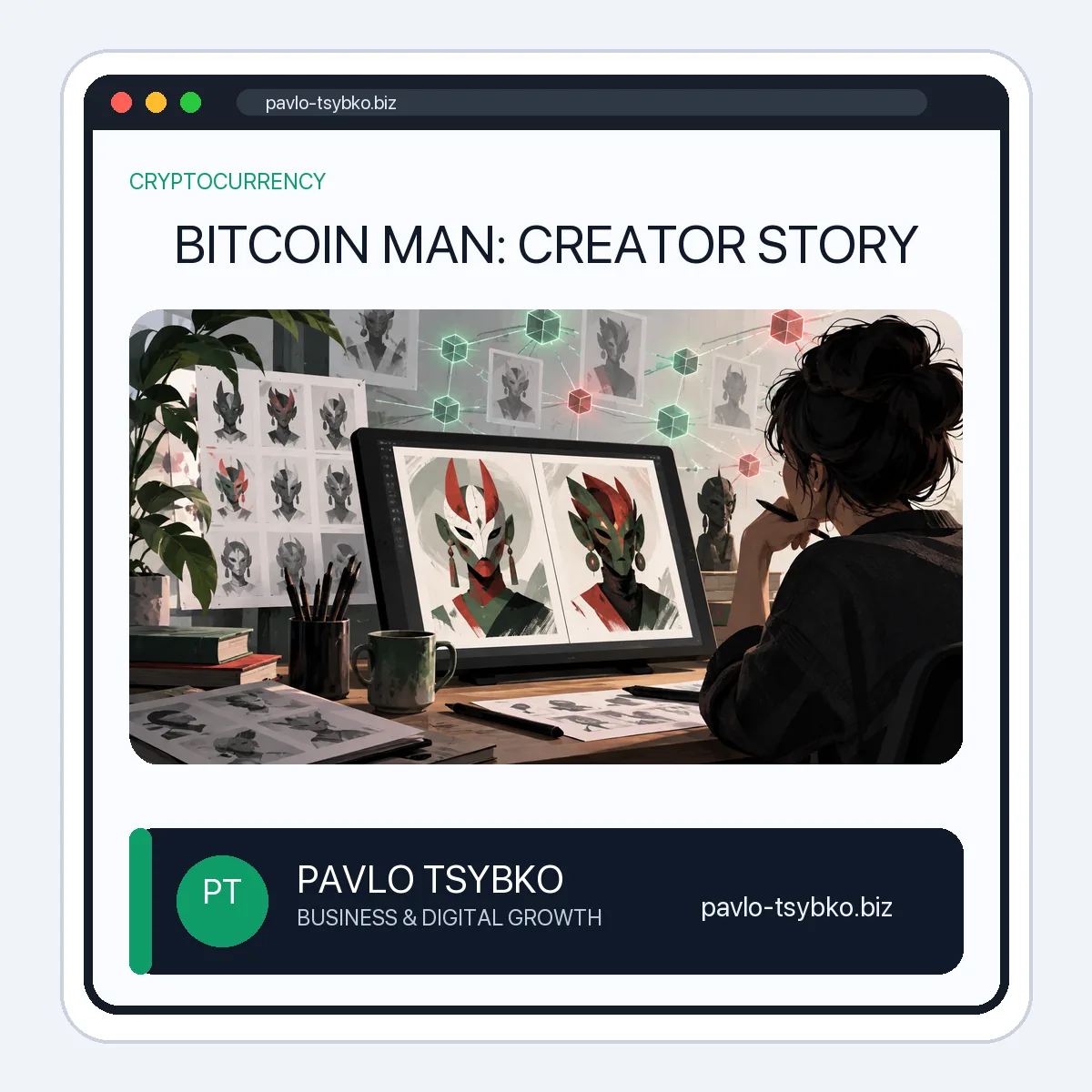
Bitcoin Man #1 began as a creative experiment, not a promise of investment returns. In 2023, I used a red-and-green mask motif to turn a personal visual identity into an NFT collection. Looking back, the useful story is how a creator defines a recognizable concept, publishes it and tests an audience response—not an unsupported claim that a launch was a commercial success.
What I made
The Bitcoin Man #1 collection on OpenSea shows the mask theme across different images and formats. OpenSea lists its launch in April 2023 on Ethereum. The green and red variations gave the project a simple visual rule: the characters could change, while the core identity remained recognizable. The collection page documents that the work exists; it does not, by itself, prove demand, sales or future value.
An NFT can record ownership of a token on a blockchain. That is different from owning copyright in the underlying artwork, having a claim on future income, or being guaranteed that someone else will buy the token. Those rights depend on the collection’s actual terms, not on its visual appeal.
How I approached the launch
The original launch combined a marketplace page with a social post and a proposed giveaway. It was a familiar creator tactic: show the artwork, explain the idea, ask people to engage and give them a clear route to learn more. The historical X post is linked for context. I cannot substantiate the older article’s claims that the giveaway was a “huge success,” that the collection attracted large demand, or that it created a valuable asset. I am therefore not repeating those claims as results.
For a project like this, a better launch record would include the date of each post, reach, profile visits, marketplace visits, wallet interactions, actual transactions and costs. Those figures should be collected before calling a campaign successful. Attention, likes and comments may be useful feedback, but they are not the same as sales.
Three lessons for a creator-led digital collection
- Make the concept legible. A repeated visual motif helps people recognize a series. Explain why the variations exist and how they fit together before discussing technology.
- Keep the evidence separate from the pitch. A marketplace listing verifies a listing. A transaction record may verify a sale. Neither proves broad popularity or an investment case. Use precise dates and sources for any outcome claim.
- Design a responsible promotion. A giveaway needs clear eligibility, timing, winner selection and privacy rules. Do not ask followers to expose sensitive wallet details, promise that an NFT will appreciate, or make a purchase a condition of an unclear reward.
What I would do differently now
I would write the creative brief first: audience, visual idea, number of pieces, rights granted to holders, costs and the reason to publish the collection at all. Next I would archive the artwork, terms and launch posts. Only then would I test one small communication campaign and review what people actually did—not what I hoped they would do.
The Bitcoin Man experiment still matters as a piece of personal creative work. Its strongest lesson is about turning an idea into a coherent public project and being honest about what the available evidence can show. This article is a creator’s retrospective, not a recommendation to buy NFTs or an investment guide.