Paid Instagram Partnerships: A Creator Checklist
Updated November 4, 2026. This guide is for Instagram creators considering a paid brand collaboration or an affiliate link. A partnership can be useful when the product fits your audience and you can describe it honestly. Payment is not guaranteed, affiliate income is not passive, and a large follower count alone does not make a deal worthwhile.
Start with the audience you already serve. A small account with a clear topic and genuine conversations may be a better fit for a specialist brand than a broad account with little trust. Before accepting an offer, ask whether you have used or can properly evaluate the product, whether it solves a real audience problem, and whether you would be comfortable explaining its limitations.
1. Choose the right type of collaboration
A sponsored post is content a brand pays you to create or publish. An affiliate arrangement pays a commission when a tracked action meets the agreed terms. A longer creator partnership can include several posts, usage rights and reporting. These are different commercial arrangements, so clarify what is paid for: creation, posting, ad usage, exclusivity, or a qualified sale. Do not treat a commission link as a promise of earnings.
Keep creator partnerships distinct from buying ads for your own account. If you want to promote your own business with Meta ad spend, use the separate Instagram ads planning guide.
2. Vet the brand and the offer
Check the product, website, customer support, refund terms and the identity of the person contacting you. Be cautious when a new contact asks for account credentials, requests an upfront “activation” fee, or wants you to make claims you cannot verify. For affiliate offers, read the commission terms: what action qualifies, the attribution window, payment timing, reversals, geographic limits and any prohibited promotion methods. Keep a copy of the terms you actually accepted.
Decline offers that depend on fake reviews, fabricated results, financial return promises or a product you cannot assess. If the topic is health, finance or another sensitive area, the bar for substantiation and applicable rules is higher; seek qualified review before publishing claims.
3. Agree on a brief before creating content
A useful agreement identifies the deliverables, formats, deadlines, approval process, payment schedule and what happens if the campaign changes. Specify whether the brand may reuse your photo or video, for how long, in which channels and whether it may run the content as a paid partnership ad. Organic publication and paid amplification are not automatically the same permission. Record who owns the creative assets and who must approve edits.
Ask for the product facts you can verify, but keep your assessment independent. If a hotel room, software tool or other product has material drawbacks, do not conceal them to satisfy a brief. A brand can request factual corrections; it should not require a false endorsement.
4. Make the commercial relationship obvious
Tell viewers when you are paid, given a free product or stay, or earning a commission from a link. Place the disclosure where people can notice it with the endorsement, not only after a long caption or behind a link. Use plain language such as “Ad”, “Paid partnership with [brand]” or “I may earn a commission if you buy through this link”, as appropriate to the actual arrangement. Review the platform’s current branded-content tools and your audience’s local disclosure rules before posting. A platform label is useful, but it may not by itself satisfy every disclosure requirement.
The US Federal Trade Commission’s creator guidance explains the importance of visible disclosures for US-facing endorsements. Meta also describes its creator marketplace and partnership ads. These are reference points, not a substitute for checking the rules that apply to your audience and campaign.
5. Publish useful content, then measure honestly
Show the product in a context your audience understands, explain who it is for and what you have actually experienced, and give a clear next step. Avoid an artificial “everyone needs this” pitch. If you use a trackable link or code, make sure the destination works on a phone and the offer matches your description. Obtain permission before using other people’s photos or testimonials.
After publication, report only metrics you can observe: reach, relevant replies, link clicks or qualified actions, depending on the agreement. Explain attribution limits: a viewer may discover a product in your post and buy later elsewhere. Do not invent sales or present a screenshot of views as proof of revenue. Keep the disclosure and campaign records for later questions.
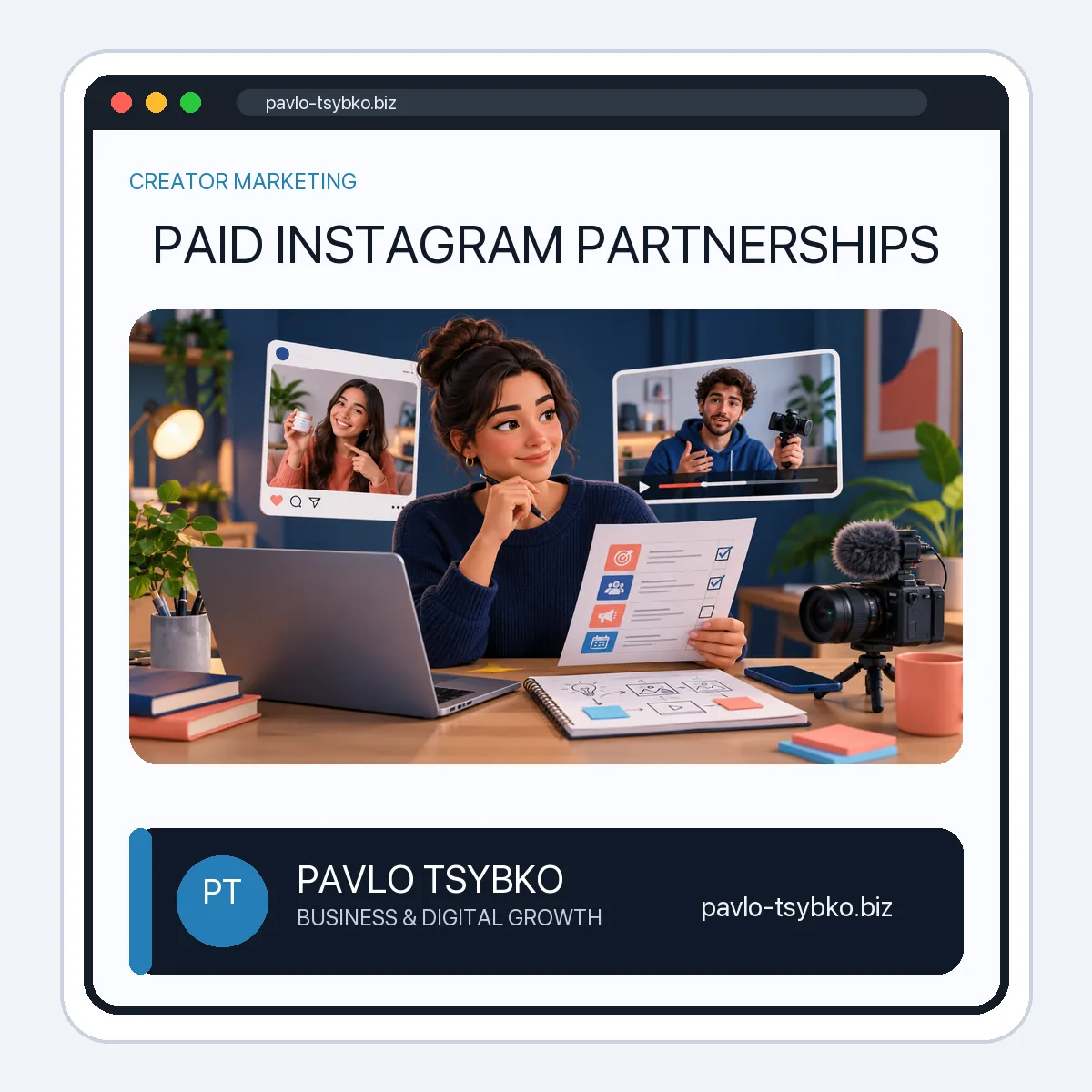
Creator checklist
- Does the product genuinely fit the audience, and can I substantiate what I will say?
- Are the deliverables, fee or commission rules, payment date and usage rights written down?
- Have I disclosed payment, gifts or affiliate commissions clearly in the content?
- Do links, landing pages and claims match the actual offer?
- Will I report observable results without promising sales or passive income?
If you are building the account before looking for partners, start with the Instagram marketing guide. For a business choosing creators on the advertiser side, see the separate influencer partnership guide.