How to Build a Personal Brand Online: A Cross-Platform Guide
Originally published 8 February 2023; substantially updated 5 November 2026.
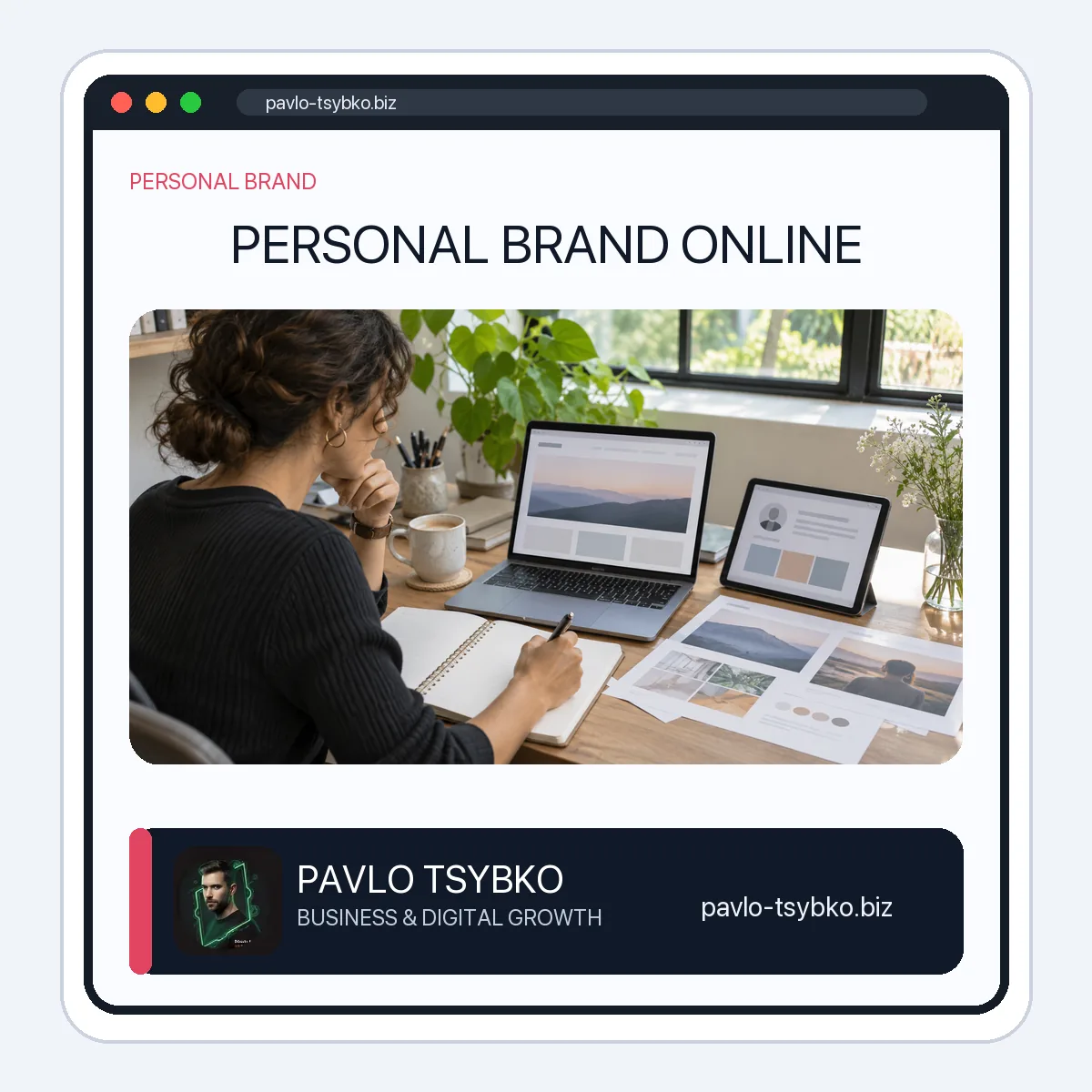
A personal brand is the expectation people form about your work, judgment and reliability. It is not a logo, a follower count or a claim that you are an expert. If someone discovers you through a search result, a professional profile, a conversation or a social post, they should be able to understand the same basic story: what you do, whom you help, how you work and what evidence supports it.
This guide is for independent professionals, founders and specialists who want a useful presence across channels. It does not promise clients, job offers or a particular audience size. For a narrower Instagram workflow, see the Instagram personal-brand guide.
1. Define a professional promise you can support
Write one plain sentence: “I help [specific group] with [specific problem] through [approach I can demonstrate].” Replace broad labels such as “visionary” or “growth expert” with a description of the work. Then list two or three topics you can explain from direct experience and the claims you cannot yet verify.
For example, a website consultant could show how they scope a project, test a mobile layout and hand over the finished site. They should not claim that every site they build increases revenue unless they have suitable evidence and permission to publish it.
2. Give people one dependable home base
A simple website or portfolio can answer the questions that are hard to fit into a short profile: your services or role, selected work, your process, limitations and a contact route. Put the most important facts in text that is easy to read on a phone. Make dates visible for older projects and mark historical work as historical.
You do not need to expose every part of your life. Decide in advance what remains private, which client details need consent, and which topics fall outside your expertise. An honest boundary is part of a credible professional identity.
3. Choose channels for the people you want to reach
A professional network may help when peers or employers matter; a visual platform may suit work that benefits from demonstrations; a newsletter may serve people who explicitly choose to hear from you. Start with one primary channel you can maintain well and one supporting place where your work can be found. Do not duplicate identical posts everywhere merely to appear active.
Use consistent essentials—name, role, offer and contact path—while adapting the format to each place. The University of Pennsylvania’s online personal-brand guide also treats a website, social channels and content as parts of one professional presence rather than a single profile.
4. Show the work behind the claim
Choose a real question your audience asks, then explain your reasoning. A useful pattern is: the situation, the options you considered, what you chose, what you can show, and what remains uncertain. A short annotated example can do more than a generic “success story.”
If you publish client work, obtain permission for the specific use and remove private information. If a screenshot shows views or reach, describe it as a platform metric—not proof of sales or causation. Make it clear when a project was a personal experiment or a hypothetical exercise.
5. Build relationships without treating people as leads
Networking can mean joining relevant conversations, sharing a helpful resource, crediting other people’s work and following up when you have a genuine reason. It need not mean mass messages or automated outreach. Ask questions, listen, and make introductions only when both sides would welcome them.
A partnership or testimonial should be clearly identified and used with permission. Trust erodes when paid promotion is presented as an independent recommendation.
6. Review signals that matter
Record a baseline before changing your profile or publishing schedule. Useful observations might include relevant profile visits, visits to a portfolio page, invitations to discuss your work, or qualified inquiries. Write down how the person found you when they choose to tell you. Likes and follower counts can indicate attention, but do not establish trust, fit or business results.
Review what questions and opportunities actually appeared after a reasonable test period. If people misunderstand your role, clarify the message. If a channel reaches the wrong audience, change the channel or topic instead of posting more of the same.
A manageable four-week starting plan
- Week 1: write your professional promise, define privacy boundaries and audit the current website and profiles.
- Week 2: publish one concrete explanation of your process and one example you are permitted to share.
- Week 3: answer a recurring audience question and take part in a relevant professional conversation.
- Week 4: review which people engaged, what they asked and which claims still need better evidence; update your home base.
This is a learning cycle, not a timetable for becoming well known. The goal is a clear, accurate and maintainable professional presence. If you want another perspective on putting work and values into a coherent story, the School of the Art Institute of Chicago’s career resource offers a useful framework for creatives and professionals.