Home Business Ideas: How to Choose and Test One
Originally published 23 February 2023; substantially updated 8 November 2026. Earlier crypto-referral recommendations and income claims have been removed. This is a planning guide, not a promise of earnings or location-specific legal, tax or financial advice.
A home business can be a useful way to test a service or product without renting separate premises. But “work from home” is a location, not a business model. The real question is what a customer needs, whether you can deliver it reliably, and what it costs to do so. This guide compares several practical directions and gives you a small test to run before committing money.
Start with the model, not a list of trends
Choose one model to investigate at a time. Each has different work, costs and obligations:
- Freelance or professional service. Writing, design, bookkeeping support, website maintenance, editing or virtual assistance can begin with a clearly scoped task. The main constraints are your skill, capacity, tools, client acquisition and any professional rules that apply where you work.
- Handmade or sourced products. Making or curating products involves materials, quality control, packaging, storage, shipping, returns and customer service. Start with a small product range and calculate the full cost per fulfilled order.
- Online store with supplier fulfilment. In a dropshipping arrangement, a supplier stores and ships the product, but the seller still needs to handle product information, customer expectations, support and returns. Lower inventory requirements do not make it passive or risk-free. Shopify’s explanation of the model is a useful starting point; check the terms of any platform and supplier you actually choose.
- Teaching, tutoring or a small digital product. A lesson, template or guide needs a defined audience, accurate material, a delivery method and support boundaries. Do not build a large course before checking that people need the specific outcome.
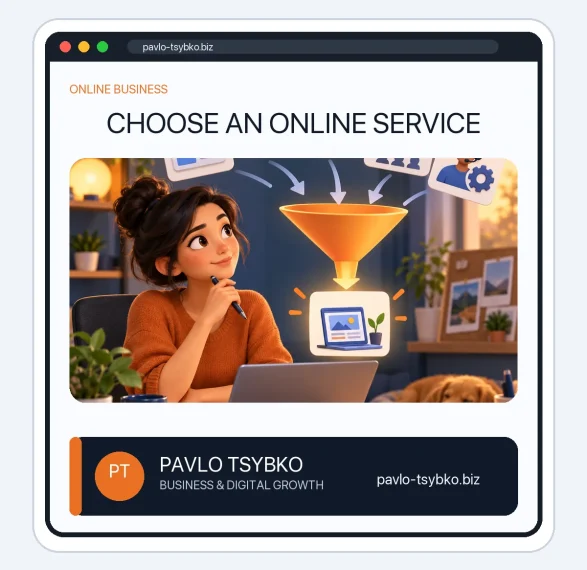
If you are considering a digital service, the separate online service business idea checklist goes deeper into selecting a problem and offer.
Compare ideas with five practical questions
- Who is the customer? Name a narrow group and a problem they already spend time or money solving. “Everyone online” is not a useful target.
- What can you deliver well? List the actual work, time, tools and help required. Separate skills you already have from training you still need.
- How will customers find and trust you? Think about referrals, a focused service page, local partnerships or a suitable marketplace. Do not assume an audience will appear when you publish a profile.
- What will each sale cost? Include materials, software, payment fees, shipping, refunds, marketing, taxes and your own time. A low initial payment does not tell you whether an offer is viable. The Australian government’s startup-cost guide shows how to separate startup and running costs; adapt the method to your jurisdiction.
- What rules apply at home? Registration, permits, tax, insurance, lease or local-use rules vary by activity and location. Food, childcare, health and in-person services may need additional checks. The home-based business checklist illustrates the types of questions to ask, but use the authorities relevant to your own location.
Test one small offer before scaling
Write a one-sentence offer: “I help [specific customer] with [specific task] by delivering [clear result].” Talk to potential customers about how they handle that task today. Compare existing providers and ask what is missing. Then offer a limited pilot with defined deliverables, timing and a price or quote process. Track qualified inquiries, work hours, costs, delivery problems and actual customer feedback. A few polite compliments are not the same as a paid order or repeat request.
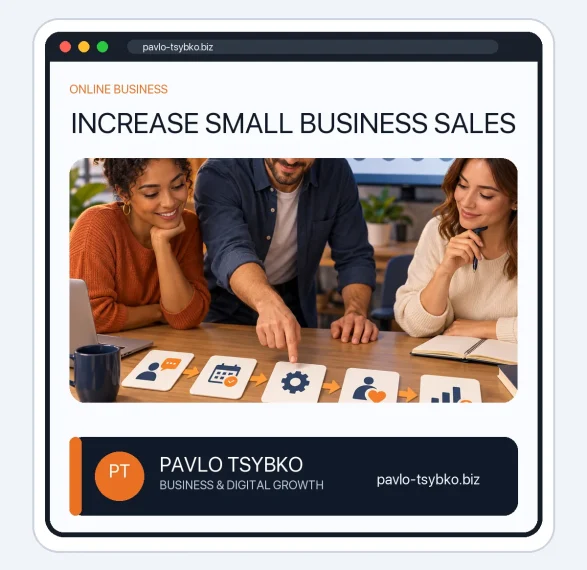
The US Small Business Administration’s business guide treats market research, planning and startup-cost estimates as foundations for a new venture. Once you have a viable service idea, use the seven-step small online business guide for the launch sequence.
What if your budget, space or connectivity is limited?
Begin with a model that matches your real constraints. A service you can deliver with equipment you already own may be easier to test than buying inventory. If you live outside a large city, consider reliable delivery and connectivity, whether customers need face-to-face contact, and potential local partners. A home workshop or product business may face storage, safety or shipping limits that a remote service does not. Write down these constraints before spending on branding or ads.
Avoid “guaranteed income” shortcuts
Be careful with offers that ask you to pay to join, promise fast or substantial earnings, or make recruitment the main route to income. A dashboard, blockchain label or polished testimonial does not prove that typical participants profit. The US Federal Trade Commission’s guidance on job and money-making scams recommends investigating the seller and questioning big income promises. This article does not endorse an investment or referral scheme as a home business.
A simple decision for this week
Pick one customer problem, one model and one small test. Estimate the full cost, check local requirements and define what evidence would make you continue or change direction. A credible home business is built around useful delivery and repeatable economics, not an impressive income headline.